
Thriving Greenery in Dim Rooms
Small windows, tall buildings, and shaded streets do not have to silence your indoor jungle. Today we’re exploring caring for houseplants in low-light apartments, with techniques and plant choices that genuinely work. Expect practical tips, science-backed insights, and cozy stories from cramped city corners, so your ZZs, pothos, and peace lilies flourish despite gloomy corridors, northern exposures, and busy schedules. Share your experiences, and let’s grow brighter habits together.
Understanding Low Light, For Real Homes
{{SECTION_SUBTITLE}}
Reading Your Windows
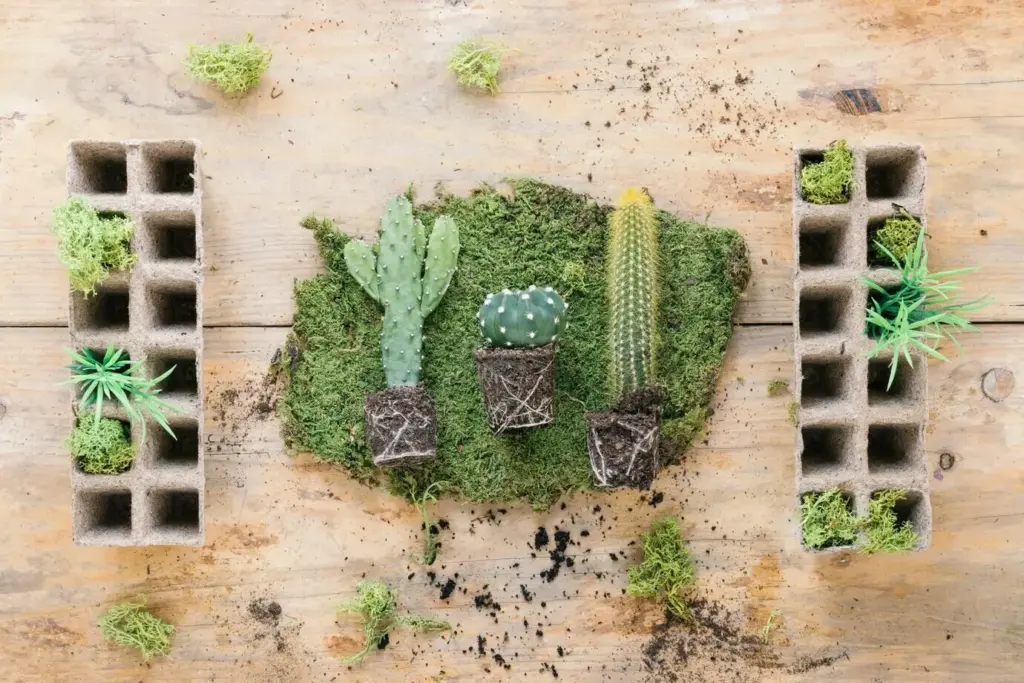
Window orientation sets the daily rhythm. North-facing offers calm, consistent brightness; east gifts gentle mornings; west can be harsh briefly; inner courtyards diffuse everything. Notice obstructions like neighboring walls, trees, and balconies. Clean glass, lift blinds, and pull sheer curtains to soften glare while maximizing usable brightness. Keep foliage within a couple of steps of the window, and watch how shadows fall throughout the day before choosing final plant placements.
Measuring Without Gadgets
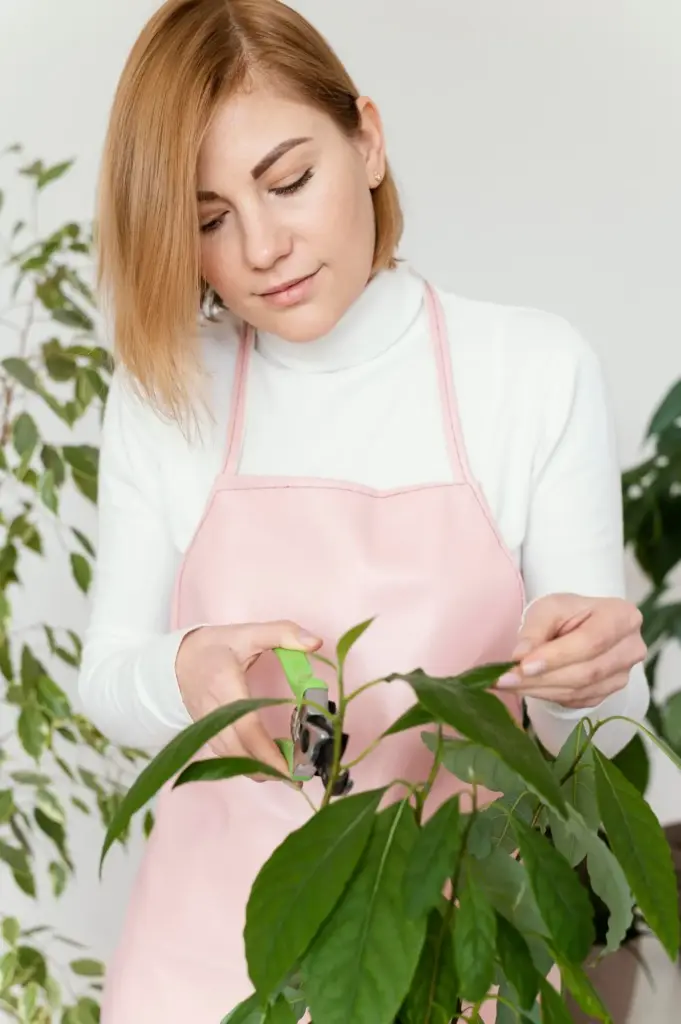
You can learn a lot without specialized tools. Use the hand-shadow test: a fuzzy, indistinct shadow suggests low light, while a crisp outline means brighter conditions. Photograph the same spot morning, noon, and late afternoon to compare brightness. Note plant signals—long internodes, pale leaves, and leaning growth whisper, “I need more.” Even simple lux-meter phone apps help reveal patterns. Track observations for a week, then move pots accordingly and reassess gently.
Resilient Plant Choices That Don’t Sulk
{{SECTION_SUBTITLE}}
Vining Companions
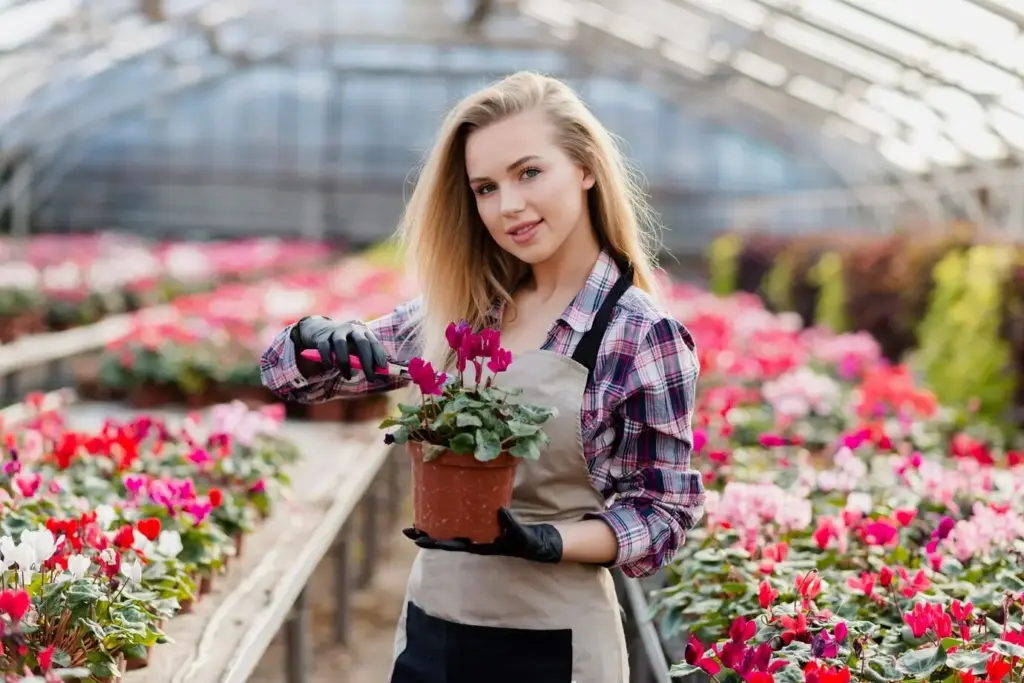
Pothos and heartleaf philodendron adapt beautifully to modest brightness, sending out generous, glossy leaves that cascade from shelves and sconces. Train vines along hooks or a tension rod, or let them trail to soften hard corners. Propagating cuttings in water or perlite is simple, budget-friendly, and perfect for gifts. Rotate occasionally to prevent leaning, trim leggy stems to encourage branching, and feed lightly in brighter months. These companions reward attention with effortless, calming flow.
Architectural Uprights
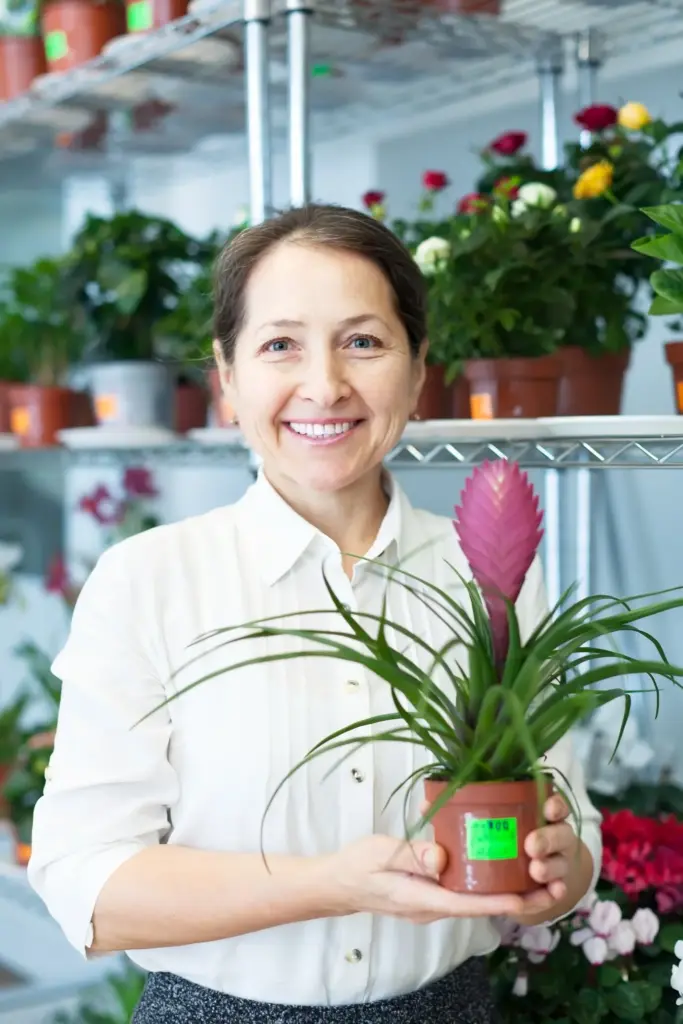
Snake plant and ZZ plant bring sculptural calm to tight spaces. Their leaves store resources, tolerating occasional forgetfulness and slower evaporation typical of dim corners. Use fast-draining soil and let pots dry deeper than you would for thirstier species. Cast iron plant adds a classic, slow-growing backbone where few others persevere. Group them near reflective surfaces for a gentle brightness bump. Minimal fuss, strong silhouettes, and patient growth make small apartments feel designed and grounded.
Watering Wisdom When Sun Is Scarce
Low light slows evaporation and growth, which means the biggest risk becomes overwatering. Swap rigid schedules for responsive routines. Check moisture with a finger or wooden chopstick, wait for top layers to dry, and avoid waterlogged saucers. Choose breathable mixes and containers with drainage to protect roots. Bottom-water occasionally, then drain thoroughly. Watch the plant, not the calendar. Thoughtful restraint creates strong roots and resilient foliage, even when the skyline steals direct sunshine.
Soil That Breathes
In dim rooms, roots need air as much as water. Blend quality potting mix with perlite or pumice and a sprinkle of fine bark to create channels for oxygen. Terracotta helps moisture escape, while plastic retains it longer—choose based on room conditions and your habits. Always include drainage holes, and size pots conservatively to reduce soggy pockets. A light, airy substrate supports healthier microbes, steadier hydration, and fewer dramatic swings, keeping plants quietly content.
Signals From Leaves
Plants speak softly through texture and posture. Limp, heavy leaves with yellowing lower foliage often indicate excess moisture, while crisp edges and curling may suggest thirst or low humidity. Peace lilies faint theatrically before watering time; snake plants whisper through wrinkling or softening leaves. Watch internode length, leaf size, and color saturation over weeks. Paired observations reveal patterns you can trust more than any schedule. Adjust watering depth, frequency, and soil amendments in measured steps.
Smart Placement Tricks
Treat your apartment like a light funnel. Position plants within a few feet of the brightest window, and bounce light using mirrors, stainless appliances, or framed glass. Declutter windowsills to reduce shadows, and favor white or light-toned backdrops. Angle leaves outward rather than pressed against glass, protecting from drafts and heat. Elevate pots on stands to escape dark floor zones, and stagger heights to share brightness fairly. These small moves compound into meaningful, plant-friendly gains.
Choosing Grow Lights
Select LED fixtures that deliver full-spectrum or 5000–6500K light, prioritizing efficiency and safety certifications. For low-light plants, modest PPFD levels are enough; mount lights 12–24 inches above foliage and run 10–12 hours on timers for consistency. Clip-ons suit desks, while bars span shelves. Reflectors capture spill. Avoid excessive intensity that bleaches leaves, and keep electronics ventilated. Investing in a reliable, quiet setup invites daily use, supports steady growth, and blends gracefully with home decor.
Making It Cozy And Safe
Balance function with comfort. Route cables neatly, keep fixtures away from curious pets, and avoid placing warm lamps near delicate fronds. Test leaf temperature by touch after adjustments. Choose matte shades to soften glare in living areas. Use surge protection and UL-listed hardware for peace of mind. Remember neighbors and nighttime ambience; timers prevent late light leaks. A calm, safe environment encourages you to maintain the setup, turning gentle brightness into an effortless, nurturing habit.
Boosting Light Without Burning Energy
Light can be multiplied without chasing sunbeams. Mirrors, glossy frames, and pale walls reflect precious brightness back to leaves. Sheer curtains soften glare while preserving usable illumination. When natural light fails, lean on efficient LED grow lights with balanced spectrum, timers, and safe distances. A few practical tweaks transform dim corners into supportive nooks. Your goal is consistency, not intensity—creating reliable, gentle exposure that strengthens growth while respecting budgets, aesthetics, and everyday routines.
Humidity, Airflow, And Comfort For Leaves
Low-light apartments often feel sealed, but you can still create a supportive microclimate. Aim for balanced humidity, gentle movement, and clean, dust-free leaves. Group compatible plants, run a quiet humidifier during dry months, and open windows briefly for fresh air. Fans on low prevent stagnant pockets and fungus gnats. Wipe foliage regularly to improve light capture. These easy practices invite calmer growth, deeper color, and fewer pests, even when sunlit hours are modest.
Style, Space, And Daily Joy
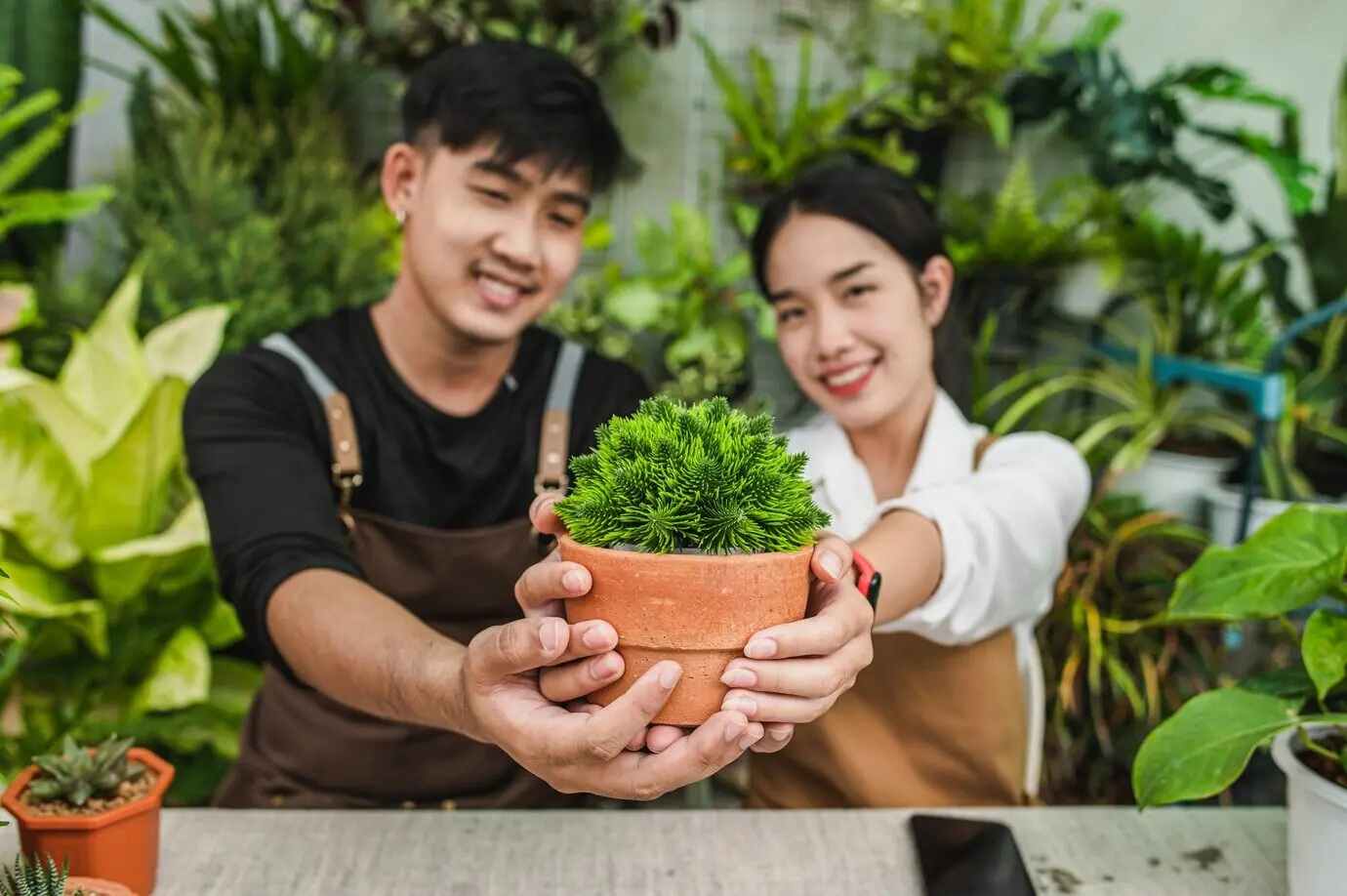
Care thrives when it feels beautiful and manageable. Use vertical stands, narrow shelves, and hanging hooks to layer foliage without crowding. Pair trailing vines with upright anchors for rhythm, and leave breathing room for airflow and watering access. A small morning ritual—checking leaves, turning pots, scribbling notes—builds calm momentum. Over time, tiny habits create a home that feels greener, kinder, and unmistakably yours, even when sunlight is shy and hallway lights hum softly.

Small-Space Layouts
Think upward, not outward. Floating shelves, plant ladders, and tension rods turn unused vertical space into gentle, leafy cascades. Place heavier pots on lower tiers and secure hooks into studs. Use lightweight planters for higher spots, and keep watering cans nearby for safe access. Group plants by care needs, not aesthetics alone, to streamline routines. With thoughtful spacing and practical tools, even narrow studios transform into calm, functional jungles that welcome everyday living without clutter.

Propagation For Sharing
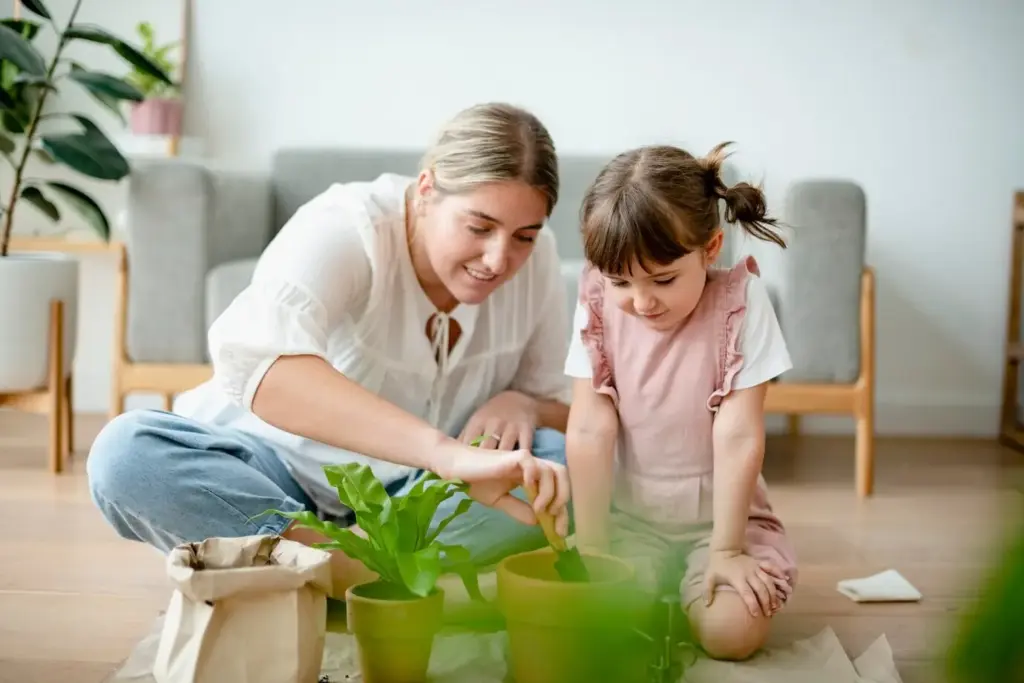
Turn pruning into abundance. Root pothos and philodendron cuttings in water, perlite, or a chunky mix, ensuring each piece has at least one healthy node. Label jars, refresh water weekly, and pot up when roots thicken. Swap starts with neighbors, or gift small, sturdy plants to friends adjusting to new apartments. Tracking origins adds warmth to your collection—a living map of connections. Sharing cuttings spreads confidence, reduces costs, and keeps vines compact, lush, and lively.
Join The Conversation
Your experiences matter. Comment with your window directions, hardest corners, and plants that surprised you. Ask questions, suggest experiments, and share before-and-after photos of rescued cuttings or reorganized shelves. Subscribe for gentle reminders, seasonal checklists, and community challenges that keep momentum fun. Vote in polls about grow lights, potting mixes, and favorite resilient species. Together, we prove dim homes can glow with life, encouraging consistent care and generous curiosity across every small, hopeful step.
All Rights Reserved.